

Colon Health Screening Guidelines
When it comes to colon health, most people don't think about screening until a doctor brings it up, or worse, until symptoms appear. But colon cancer is one of the most preventable cancers we have today, and yet thousands of people delay screening simply because they don't know where to start or what the guidelines really mean. If you've ever wondered whether you need a colonoscopy, how often to get one, or what warning signs matter, you're not alone. The truth is, colon screening can feel confusing, but the more clarity you have, the easier it becomes to protect yourself long-term.
Let's break down today's screening guidelines in a way that's clear, practical, and easy to follow, especially if you're exploring your options for a colonoscopy Phoenix residents trust.
What Are the New Guidelines for Colon Screening?
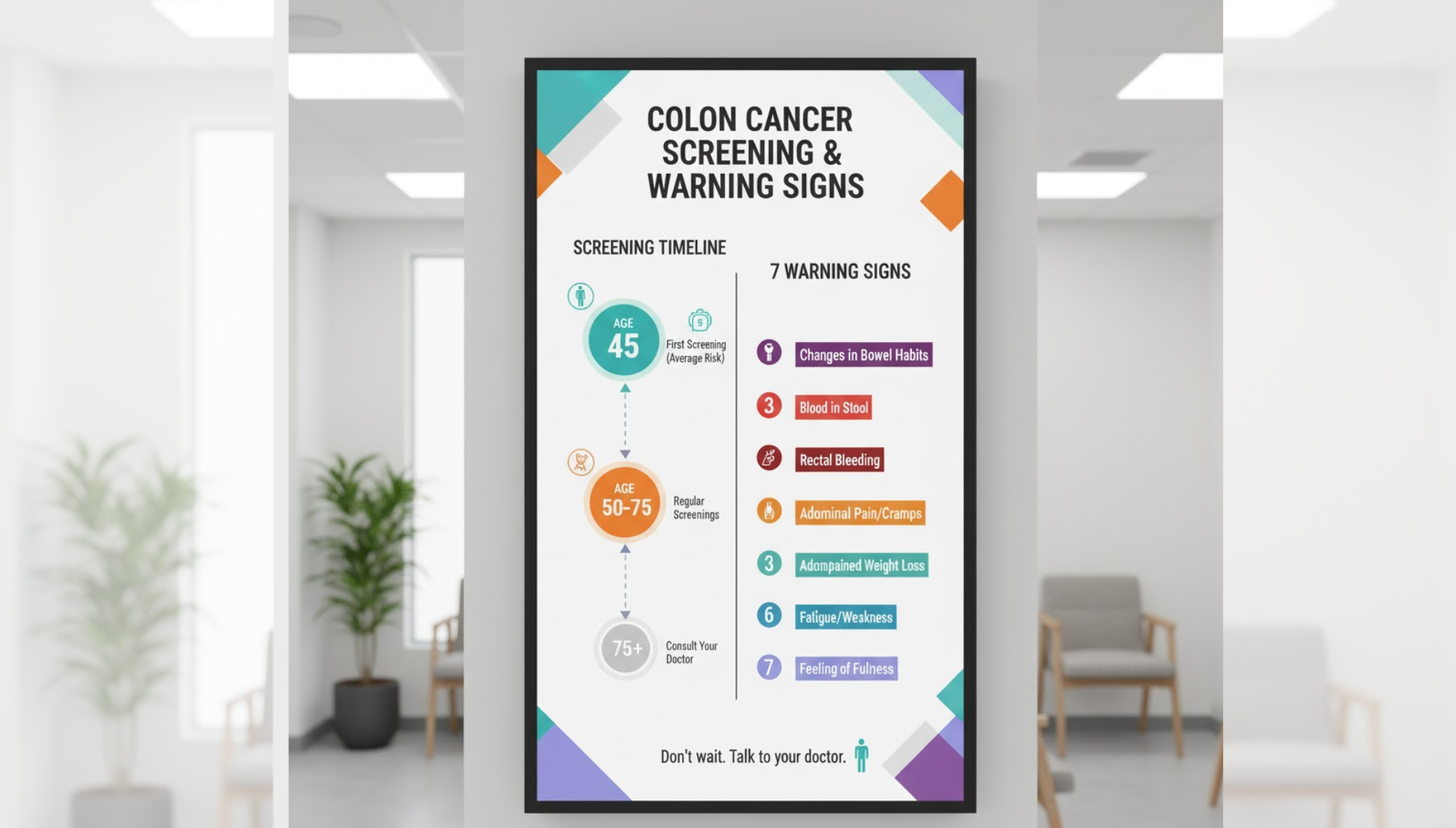
The latest colon cancer screening guidelines recommend that the average-risk adult begin screening at age 45 instead of 50. This update reflects rising colorectal cancer rates in younger adults and aims to detect polyps or early-stage cancer sooner, when treatment is most effective. Screening should continue through age 75, and screening decisions for adults aged 76–85 should be individualized based on health, risk factors, and overall life expectancy.
People with higher risk, such as those with a strong family history, personal history of polyps, certain genetic conditions, or inflammatory bowel disease, may need to start earlier and screen more frequently. The primary screening methods include colonoscopy, stool-based tests, and flexible sigmoidoscopy, but a colonoscopy Phoenix providers offer remains the most comprehensive option because it allows for detection and removal of polyps in one exam.
The updated guidelines were issued by the U.S. Preventive Services Task Force (USPSTF), and according to the American Cancer Society, earlier screening has the potential to save thousands of lives each year.
How Phoenix Patients Approach Colon Screening
In Phoenix, people are surprisingly proactive about preventive healthcare, especially as awareness grows around early detection. It's not uncommon to hear coworkers or neighbors casually mention their yearly wellness exams or share which local clinic made the colonoscopy Phoenix experience "way easier than expected."
With multiple screening centers across the city and access to minimally invasive options, many Phoenix residents prefer getting ahead of potential problems rather than waiting for symptoms. That's why services offering a colonoscopy Phoenix patients can rely on are in high demand, people appreciate clarity, fast scheduling, and compassionate care. Local providers often walk patients through the process step-by-step, removing the mystery and anxiety from screening. It's a big reason why early detection rates in the area continue to improve.
What Are the Three Types of Tests for Colon Health?
There are several ways to screen for colon cancer, and understanding the differences helps you choose the option that fits your comfort, risk level, and healthcare plan.
1. Stool-Based Tests
These tests look for blood or DNA markers in your stool:
- FIT (Fecal Immunochemical Test): done yearly
- gFOBT (Guaiac Fecal Occult Blood Test): done yearly
- Cologuard (FIT-DNA Test): done every 3 years
These are noninvasive and done at home, but if anything abnormal is found, a follow-up colonoscopy Phoenix specialists perform is required.
2. Structural (Visual) Exams
These examine the colon directly:
- Colonoscopy: every 10 years for average-risk patients
- Flexible Sigmoidoscopy: every 5 years
- CT Colonography (Virtual Colonoscopy): every 5 years
A colonoscopy Phoenix clinics provide is the most comprehensive because it allows for polyp removal during the same procedure.
3. Genetic or High-Risk Testing
Patients with hereditary risk factors may qualify for more frequent or specialized screening, often requiring a colonoscopy Phoenix doctors customize based on individual genetic profiles. Gain clarity by reading Signs You May Need Hernia Surgery.
Is a Colonoscopy Screening Every 5 or 10 Years?
Most people at average risk need a colonoscopy Phoenix providers recommend every 10 years starting at age 45.
However, the interval changes depending on risk factors:
You may need a colonoscopy every 5 years if:
- You have a first-degree relative with colon cancer
- You've had polyps removed in a previous exam
- You have inflammatory bowel disease
- You fall into a moderate to high-risk category
You may need screening more frequently if:
- You have a genetic syndrome like Lynch syndrome or FAP
- You had multiple or advanced polyps
- You have chronic gastrointestinal conditions
If you're unsure which interval applies to you, many colonoscopy Phoenix centers offer detailed consultations and screening quotes, especially helpful for the uninsured or those comparing costs.
What Is the 3/2/1 Rule for Colorectal Cancer?
The 3/2/1 rule is a simple way to understand hereditary risk patterns for colorectal cancer, especially when evaluating family history.
The 3/2/1 rule means:
- 3 relatives across multiple generations diagnosed with colorectal cancer
- 2 of those relatives are first-degree (parent, sibling, child)
- 1 was diagnosed before age 50
If your family history fits the 3/2/1 rule, you may be at increased risk for hereditary colorectal cancer syndromes. This means:
- You should start screening earlier than age 45
- You may need a colonoscopy Phoenix specialists perform every 1–2 years
- Genetic counseling or testing might be recommended
This rule helps doctors quickly identify patterns suggesting hereditary cancer risk rather than random occurrence.
What Are the 7 Warning Signs of Colon Cancer?
Colon cancer often develops silently, but certain symptoms should never be ignored:
- Unexplained changes in bowel habits
- Blood in the stool (bright red or dark tar-like)
- Persistent abdominal discomfort (cramping, gas, pain)
- Feeling that the bowel doesn't empty completely
- Unexplained weight loss
- Chronic fatigue or weakness
- Iron-deficiency anemia
These symptoms can indicate many conditions, but if they persist, scheduling a colonoscopy Phoenix doctors trust is crucial.
What Is the Gold Standard for Colon Cancer Screening?
A colonoscopy Phoenix medical professionals perform is considered the gold standard because it:
- Detects both cancer and precancerous polyps
- Allows immediate removal of polyps
- Examines the entire colon and rectum
- Reduces colon cancer risk by up to 70%
- Requires screening far less frequently than stool tests
No other test offers visualization, diagnosis, and treatment in one exam. For those seeking a trusted colonoscopy Phoenix option, you can learn more about your local choices and what to expect from experienced providers who prioritize patient comfort and thoroughness.
Conclusion
Colon health screenings save lives, and understanding the guidelines helps you take control of your long-term wellness. Whether you're 45 and scheduling your first exam, or you have a family history that requires earlier, and more frequent, screening, the best step you can take is simply getting started. Prevention is powerful, early detection is lifesaving, and clear guidance makes the entire process easier.
If you're in Phoenix and want a compassionate, professional team to guide you through your screening options, scheduling a colonoscopy Phoenix residents recommend is a smart first step. Your health is worth prioritizing, and screening today can make all the difference tomorrow.
Visit Copper Mountain Surgical to explore your colonoscopy Phoenix options and take the next step in protecting your colon health.
You might also like